
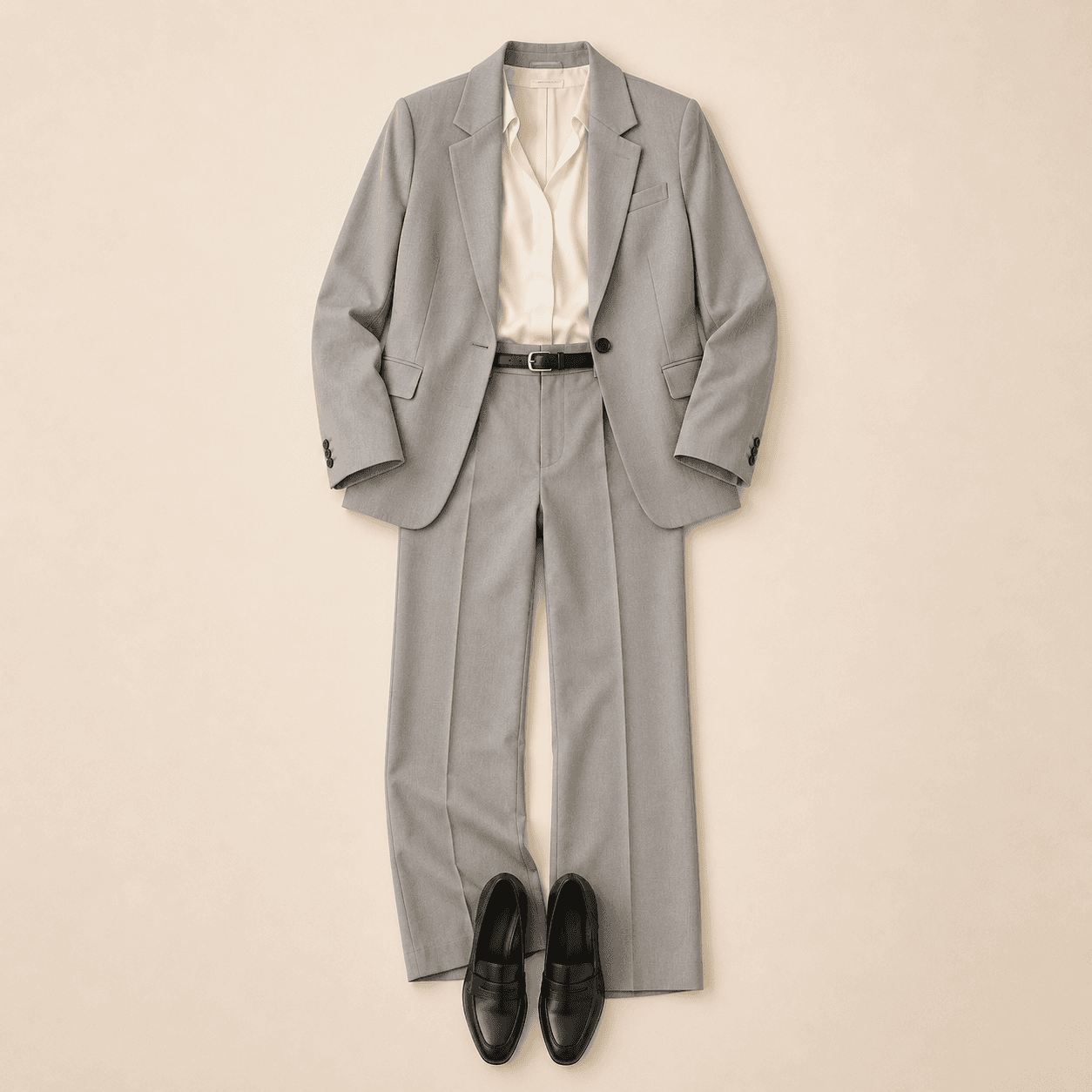
AI outfit changer
AI Outfit Changer for planning a complete look.
Plan a full outfit direction for work, travel, date night, creator content, or an event instead of replacing only one garment.
Commercial styling page for users planning complete looks.
Occasion looksStyle directionFull outfit planning
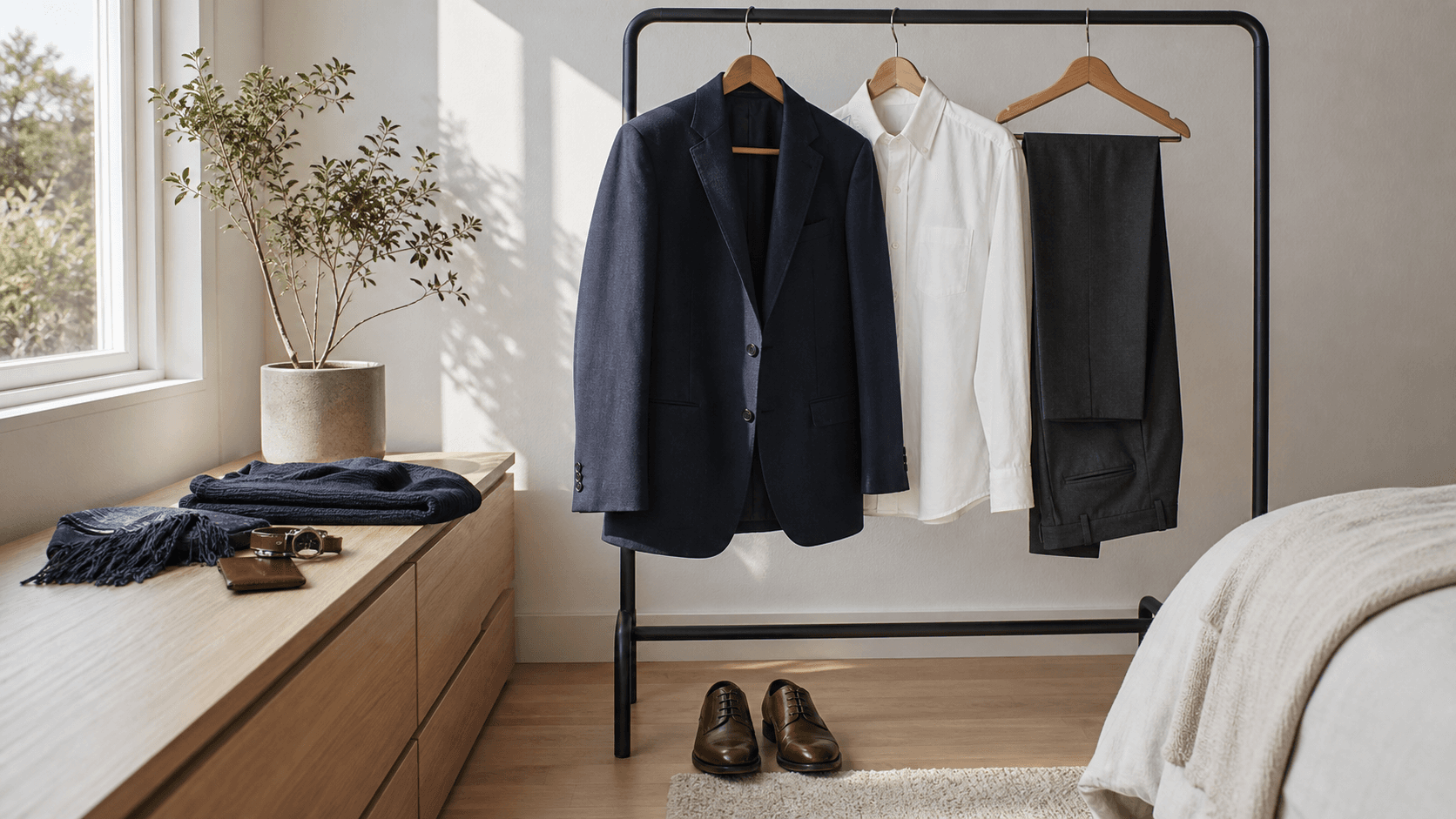
Style presets
Make outfit planning feel like a board, not an article.
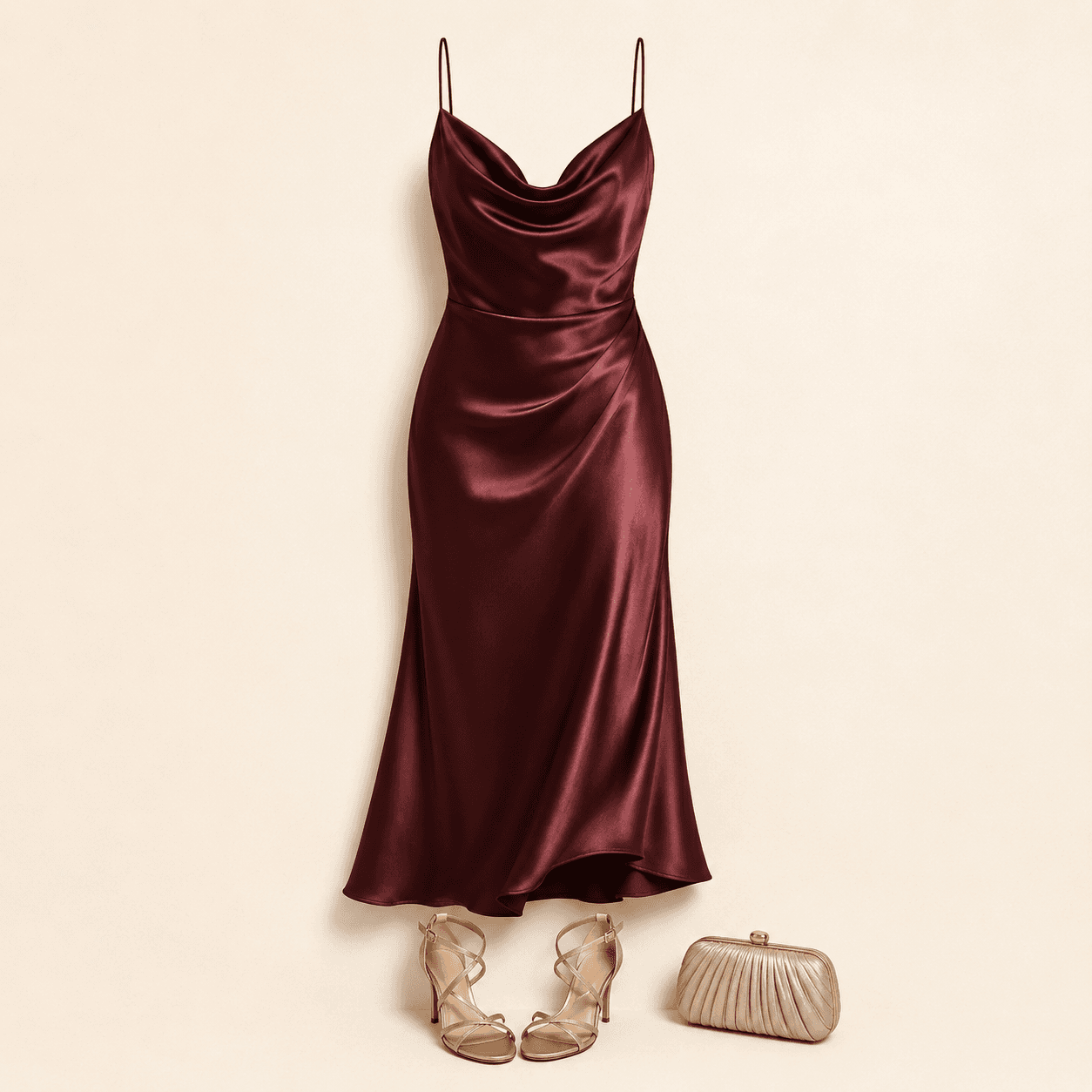
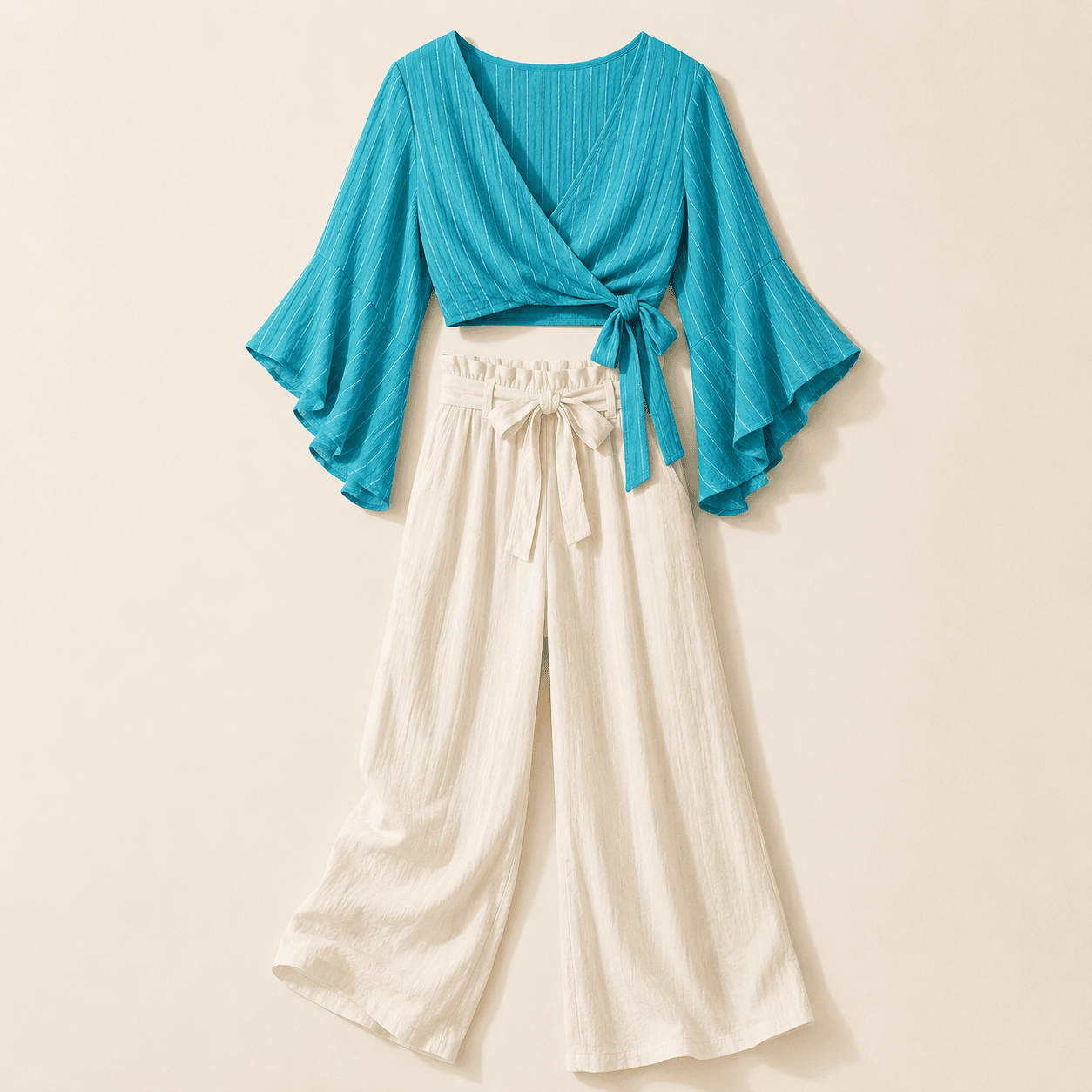
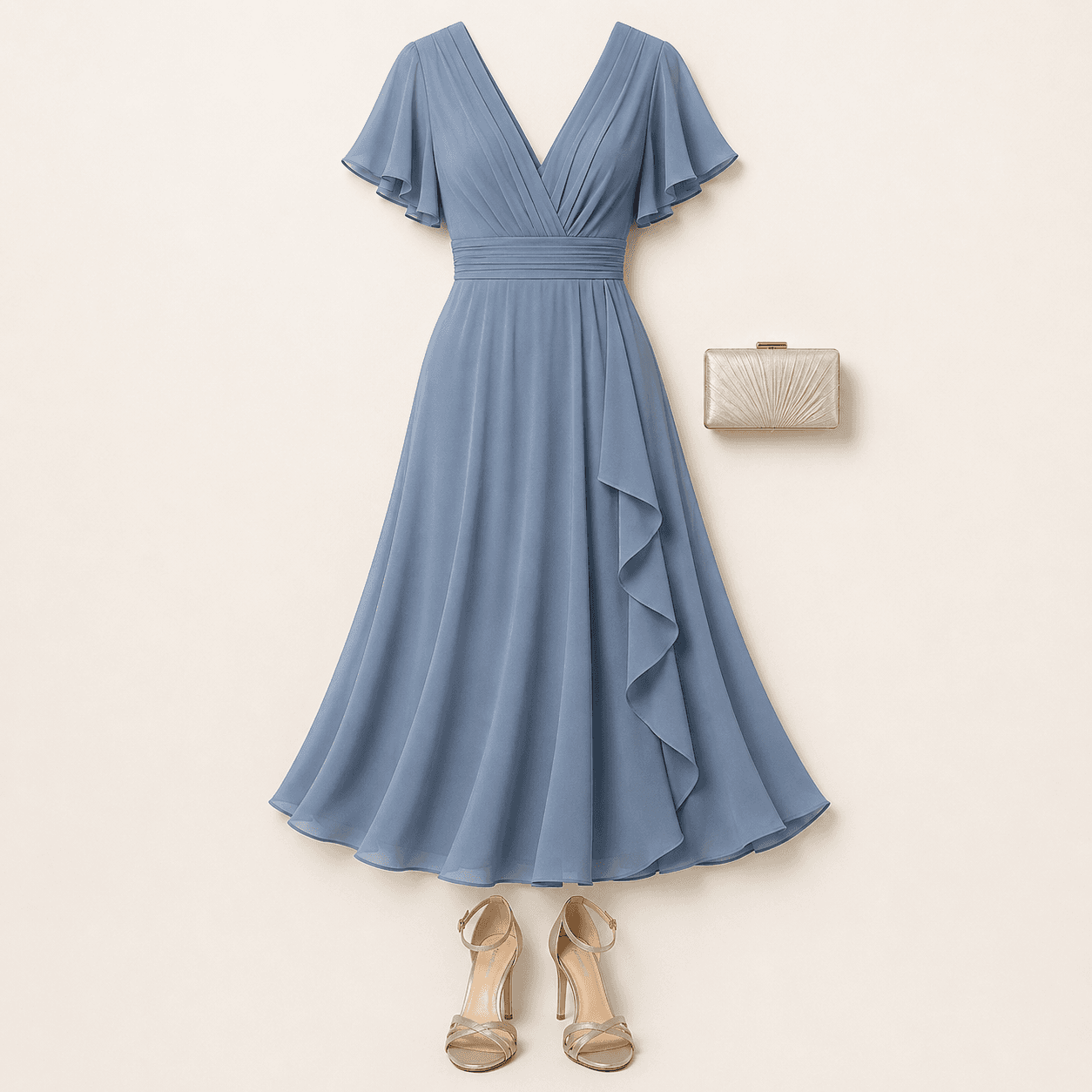
Style-board evidence
A complete outfit is judged by the whole look.
For outfit planning, the question is whether the result reads as coherent: top, bottom, shoes, color, and event fit. A single garment reference is optional; a style template can be enough.
Realistic outfit-rack references work well when the full mood matters more than one item.
Occasion first
Workwear, travel, wedding guest, and date-night looks have different tolerance for color and formality.
Compare directions
Generate two or three style directions before committing to a high-credit pass.
Keep constraints visible
Mention weather, dress code, comfort, or creator-platform needs in the prompt.
Build a look
Outfit planning starts with the situation.
Complete-look planning starts with occasion, silhouette, color balance, and how to compare several generated directions before choosing the strongest one.
- Pick the social or work situation before choosing clothes.
- Use templates for fast mood exploration.
- Save higher-quality generations for the strongest direction.
Prompt examples
Prompt by occasion and style constraint.
Good outfit-planning prompts sound like a stylist brief. They should state the setting and the mood.
Create a smart casual work outfit with a soft blazer, clean trousers, and neutral colors, keep the same pose and face.
Try a polished date-night look with a black top, structured skirt, and subtle accessories.
Preview a travel outfit that looks comfortable, layered, and camera-ready, preserve the original background.
Visual proof
Prepare this page for animated outfit exploration.
Use these slots later for rack-to-result videos, style-preset GIFs, or generated look comparisons.
Rack reference
Real outfit display for the planning mood.
Preset sweep
A future horizontal loop can show styles changing on one photo.
Chosen direction
Final look proof can replace this with a generated result.
Planning workflow
Plan a look like a mini style board.
- Name the occasionStart with work, event, travel, casual weekend, date night, or content shoot.
- Choose a visual directionUse a template or garment group that matches the mood, not just a single item.
- Generate low-risk draftsCheck color, silhouette, and vibe before spending more credits.
- Refine the best lookUse the stronger direction as the basis for a cleaner final preview.
Input quality
Best and weakest inputs for outfit planning
Usually works better
- Photo shows enough body framing to judge the full silhouette.
- Prompt includes occasion, color preference, and formality.
- Reference outfit has a coherent top-bottom-shoe direction.
Usually needs caution
- Only a close-up selfie is available for a full-body outfit decision.
- Prompt asks for many unrelated styles at once.
- Reference image has heavy props or unclear clothing boundaries.
Planning limits
What AI outfit planning cannot replace.
Physical comfort
A preview cannot test fabric feel, weather comfort, or real movement.
Exact wardrobe match
Use the result as a shopping or styling direction unless the garment reference is very specific.
Dress code nuance
AI can suggest formality, but strict event or workplace rules still need human judgment.
Practical questions
Answers specific to this workflow.
How is this different from changing clothes in a photo?
The outfit changer focuses on a complete styling direction. The photo-edit page focuses on preserving one existing image while changing the visible clothing.
Can I compare several outfit ideas?
Yes. Use lower-cost previews to compare directions, then spend higher-quality credits when one option looks worth refining.
Do I need a product photo?
No. Product photos help when a specific item matters. Templates work better for exploring a complete style direction.
Trust
Trust notes before you upload a photo
AI Clothes Changer is built for consensual outfit previews and styling decisions. The product uses private storage, charges credits only after a successful saved result, and provides support for privacy, payment, and safety questions.